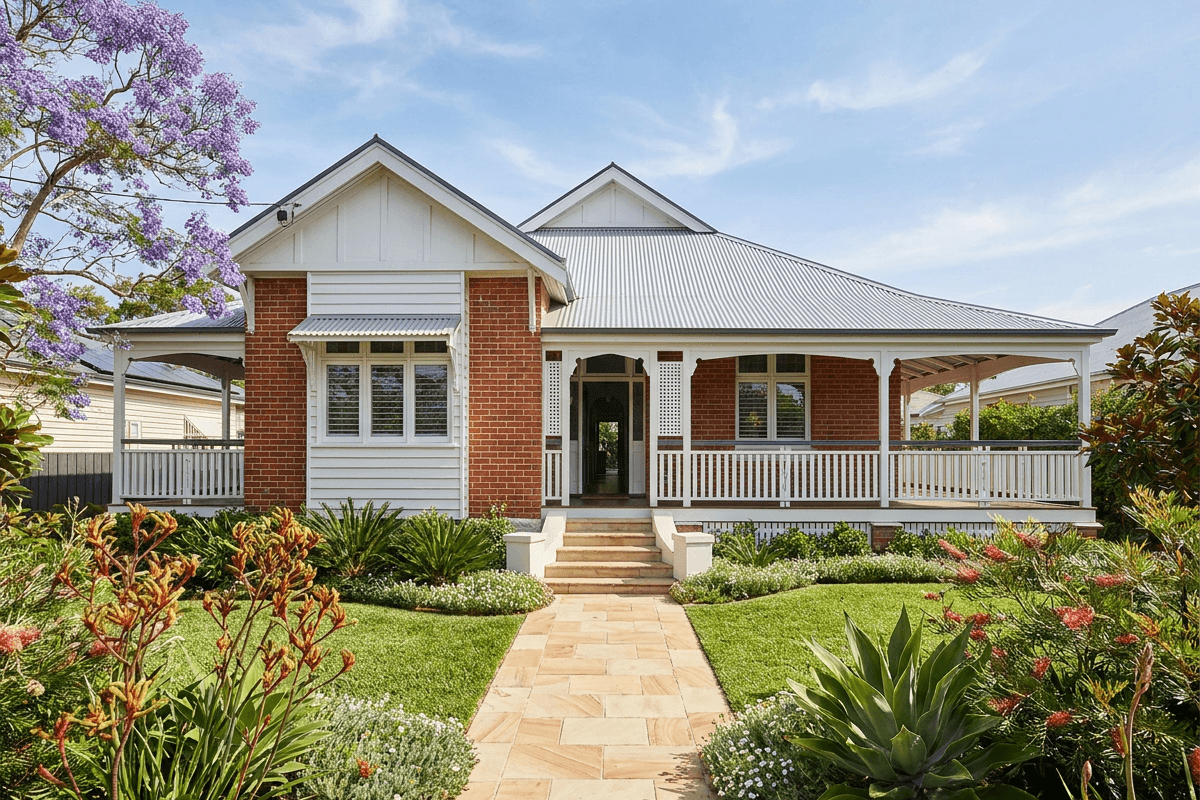

Adelaide Property Market 2026: The Quiet Achiever Investors Can No Longer Ignore
For years, Adelaide was the market serious investors mentioned only in whispers — too good to shout about, too consistent to stay overlooked. That has changed. Adelaide’s transformation from the country’s most affordable capital to one of its strongest-performing markets is no longer a secret, but the fundamentals that drove that transformation are still intact. And unlike some markets that ran hard on sentiment alone, Adelaide’s growth has been underpinned by structural demand shifts that are not going away.
From Cheapest to Consistent: The Numbers Behind the Run
Adelaide’s median house value has grown materially from a base that was, not long ago, the lowest of any capital city. The growth rate has been among the strongest in the country across the mid-2020s — not driven by speculative heat, but by real demand from real people who have discovered what South Australians already knew. The city is liveable, affordable, and increasingly economically significant.
Why Adelaide Is Growing: It Is Not Just Lifestyle Migration
The Adelaide narrative is often told as a lifestyle story — sea-changers, tree-changers, and retirees discovering the Hills or the beach suburbs. That is part of it. But the more durable driver is structural economic investment. The AUKUS submarine program, centred at Osborne on the Port River, represents one of the largest long-term government contracts in Australian history. Defence industry expansion is bringing high-income skilled workers to Adelaide and creating sustained housing demand that is not tied to interest rate cycles or speculative sentiment.
The technology sector has followed. Adelaide is increasingly positioning itself as a tech and defence innovation hub, attracting companies and workers who need housing in a city that still offers relative affordability compared to Sydney and Melbourne.
Vacancy Rates Among the Tightest in the Country
Adelaide’s rental vacancy rate has been persistently tight — at times among the lowest of any capital city in Australia. When vacancy is tight, rents rise, yields improve, and the case for investment strengthens. This is not a short-term condition. The combination of population growth, constrained supply in established suburbs, and strong employment demand creates a structural rental shortage that supports investors over the medium term.
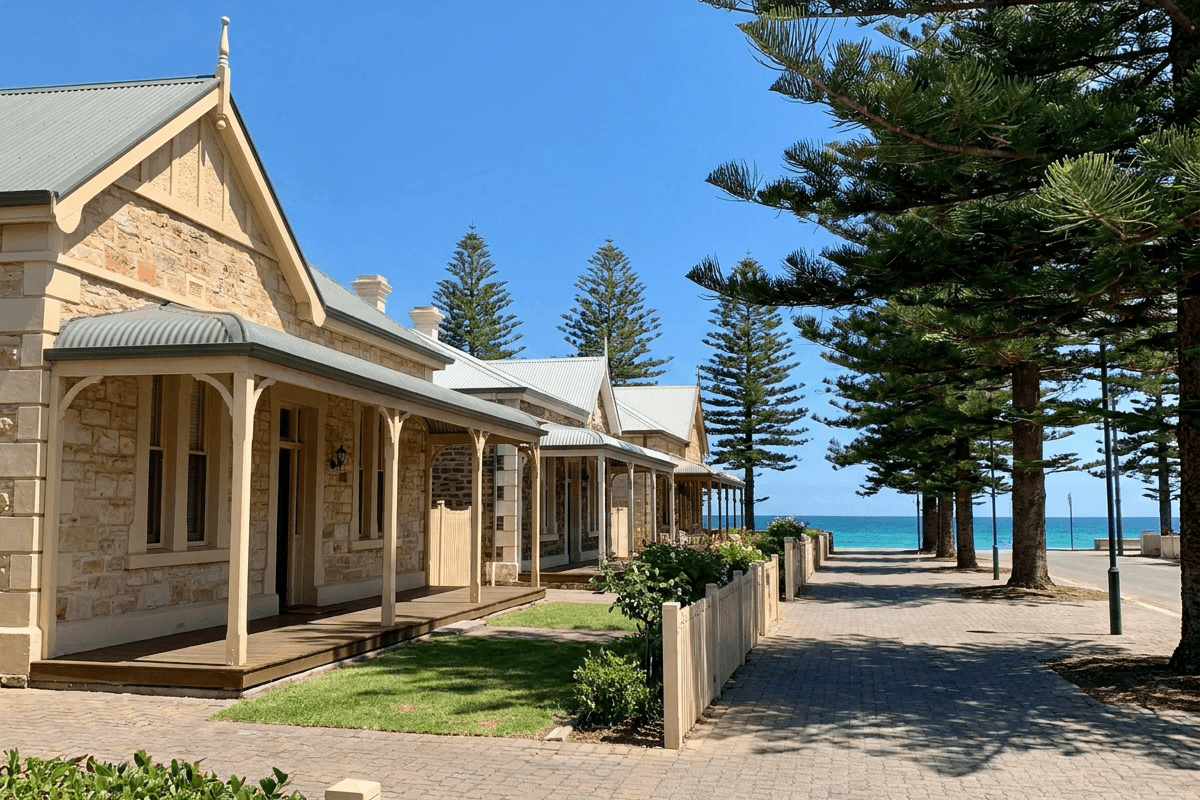
Adelaide’s coastal suburbs — combining lifestyle appeal with genuine investment fundamentals
Affordability Remains Compelling for Portfolio Builders
For investors building a diversified portfolio, Adelaide remains one of the most compelling entry points among capital cities. The price gap between Adelaide and Sydney or Melbourne means investors can hold Adelaide stock without the same concentration of capital — giving them diversification, genuine rental yield, and exposure to a market with continued growth drivers. For first-time investors, the entry point can be genuinely achievable in a way that Sydney never will be.
What the Living Property Partners Lens Sees
Adelaide was a counter-cyclical play when few were looking. Those who entered early have been rewarded. The pure “buy cheap” window has passed, but the fundamentals remain strong — defence investment, technology sector growth, lifestyle migration, tight vacancy, and still-superior affordability relative to the eastern capitals. This is a market that rewards careful entry at the right price point in the right suburb.
If you want an honest assessment of whether Adelaide fits your portfolio, Living Property Partners can give you one. Book a free consultation and we will walk through the numbers with you.
Our latest articles