
Perth Property Market 2026 — The Capital City That Keeps Surprising
For years, Perth was the city that serious east coast investors quietly overlooked. Too far away. Too cyclical. Too dependent on iron ore and the fortunes of whoever was running BHP that week.
That view is dated. Perth in 2026 is one of the most compelling property stories in the country — and understanding why it keeps defying expectations is the first step to positioning yourself correctly.
Why Perth Ran Harder Than Anyone Predicted
Cast your mind back to the 2022–2023 period. Most forecasters were predicting a meaningful cooling across Australian capital cities in response to rapid interest rate rises. Perth did cool — briefly — then resumed its upward trajectory with the kind of determination that frustrates short sellers.
The reason is structural, not cyclical. Western Australia's economy is genuinely diversified compared to even five years ago. Mining remains the backbone, but defence contracts, lithium processing, renewable energy projects, and a booming international education sector have all broadened the base. When one sector softens, others absorb the shock.
The result is a jobs market that has consistently outperformed national employment figures. And where jobs go, population follows. Where population goes, housing demand follows.
Perth's net interstate and overseas migration numbers have been running at levels the city hasn't seen since the last mining boom — but this time the drivers are more durable. Remote work has made the lifestyle equation more attractive than ever. A four-bedroom home in the northern suburbs at a fraction of what it costs in Sydney or Melbourne is a genuinely compelling proposition for families priced out of the eastern seaboard.
The Median Price Story
Perth's median house price entered 2026 sitting just above $750,000 — a figure that still generates genuine surprise from investors who haven't been watching closely. That's well below Sydney's median, below Melbourne's, and not dramatically above Brisbane's. The gap has been closing, but it hasn't closed yet.
That spread represents an opportunity, particularly in the middle ring suburbs — the band of established residential areas within fifteen to twenty-five kilometres of the CBD that have lagged inner-city price growth and are now catching up. Suburbs like Morley, Midland, and Armadale have all recorded significant capital growth over the past three years, and the pipeline of new supply in these areas is thin.
Vacancy rates tell an equally direct story. Perth's residential vacancy rate is sitting below one percent. That is not a typo. The rental market is among the tightest in the country. Yields that seemed impossible in the low-rate environment of 2020 — five percent, six percent gross on well-selected properties — are now achievable.
Where Perth Sits in a Counter-Cyclical Framework
At Living Property Partners, we've spent the better part of 28 years helping clients think about property through a counter-cyclical lens. The question isn't just where is the market now — it's where is it relative to where it's going, and what does the risk/reward look like at this point in the cycle?
Perth is further through its growth phase than it was two years ago. The easy money from 2020–2022 bargain-buying has been made. But the market is not late-cycle in the way Sydney was in 2017 or Melbourne was in 2018. There are legitimate tailwinds — population growth, infrastructure investment, the ongoing undersupply of rental stock — that support continued price appreciation over the medium term.
What to Watch
Three factors warrant close attention over the next 12–24 months.
Infrastructure. Perth's METRONET expansion is genuinely transformational. New rail connections are changing the calculus on which suburbs are thirty-minute commutes and which are forty-five. Properties within walking distance of new stations have consistently outperformed in the years following opening.
The lithium cycle. Western Australia holds a commanding position in global lithium supply, and the energy transition is a multi-decade story. The employment and income effects of continued lithium investment flow through to Perth's professional-services economy.
Affordability constraints. Perth's growth has been sustained partly because it started from a low base. As the median pushes higher, the pool of first home buyers and upgraders who can comfortably service a mortgage narrows.

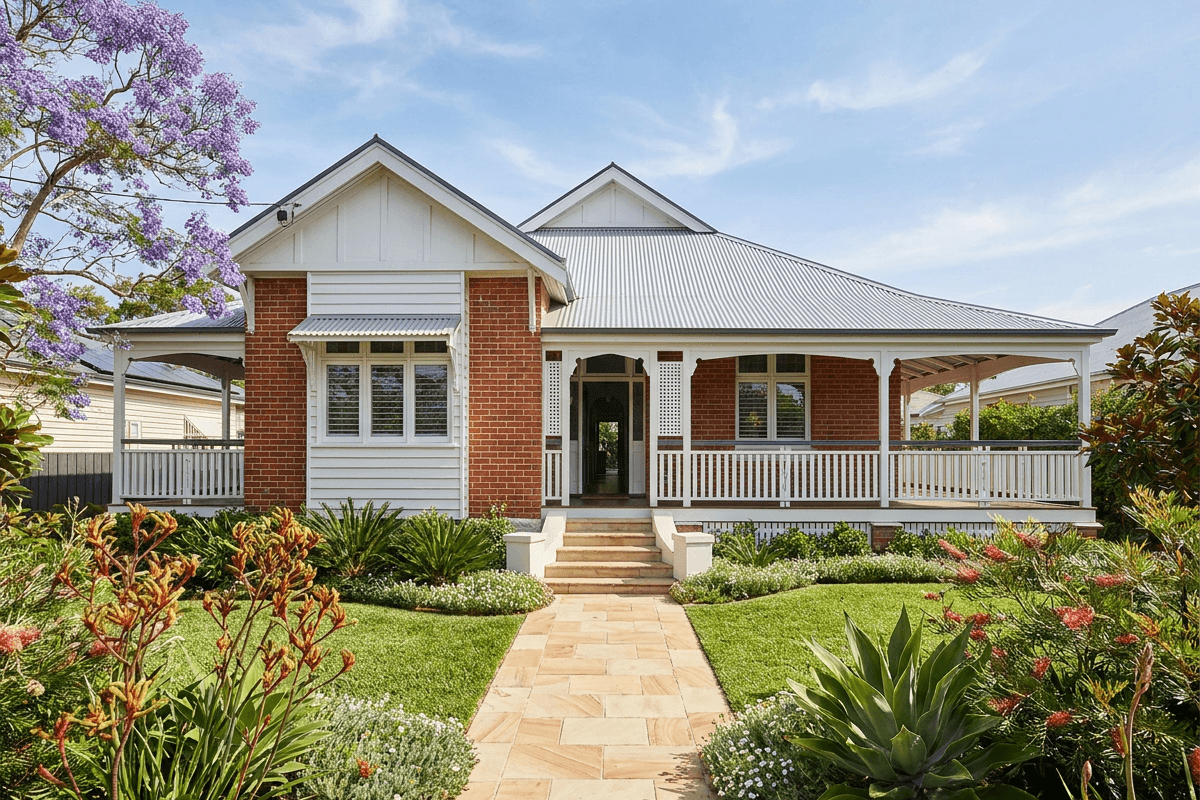
Perth's northern suburbs — strong rental demand, tight vacancy, and entry prices that still compare favourably to the east coast
How Living Property Partners Approaches Perth
Perth is not a one-size-fits-all market. The right strategy depends on your existing portfolio, your finance capacity, and your investment horizon. If you'd like to talk through whether Perth belongs in your next move, book a free consultation with Living Property Partners. We'll work through the numbers with you properly.
Our latest articles